

2025
https://www.adpp-angola.org
5
30
Rua João de Barros nº28 CP 345, Luanda
Click here to download
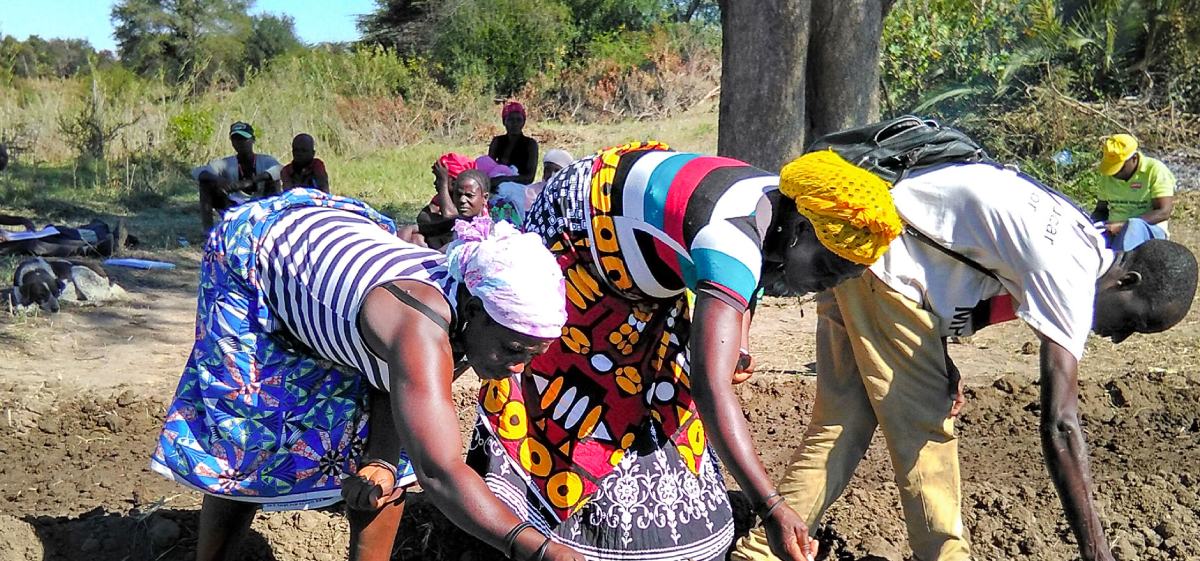
ADPP Angola is a national NGO with long-standing cooperation agreements with the Ministry of Education. Among its education programmes, ADPP operates eight Polytechnic Schools across six provinces, providing young people with an integrated model of lower secondary education (grades 7–9) combined with vocational training. The schools are designed for youth from the age of 12 and aim to equip students with a balanced education that develops theoretical knowledge, technical capacity, social skills, and an entrepreneurial mindset. While most graduates continue onto upper secondary level education and beyond, they often use the practical skills gained at the Polytechnic Schools to help finance further studies, demonstrating the immediate relevance of their training. Each school offers up to three courses, selected according to local labour market demands. The portfolio includes Food Production, Energy Assistant, Modern Cook, Water Assistant, Environmental Promotion, Health Assistant, Pre-school Assistant, Communication Assistant, and Textile & Sewing. Within these courses, students train in areas such as electricity, plumbing, cooking, health, metalwork, ICT, renewable energy, tailoring, and agriculture—disciplines directly linked to community and regional needs. The network of schools includes three in Luanda (Ramiro, Cazenga, and Zango) and five in the provinces of Bengo, Benguela, Cabinda, Cuanza Norte, and Huambo. Across these sites, ADPP Angola remains committed to inclusive and practice-oriented education, ensuring that vocational training is both relevant to local realities and aligned with national development priorities.
Since 2011, ADPP’s Polytechnic Schools have trained 4,132 students, of whom 42% are female. In the 2023/2024 academic year, 418 students graduated (41% female), and 2,200 students are enrolled for the current school year. In partnership with KOICA and ExxonMobil, ADPP supports over 2,000 teachers and 7,000 students in six provinces with hands-on STEM education, STEM clubs, and national competitions. An 84% rise in student interest in STEM has been recorded, with teachers co-developing new learning materials alongside the Ministry of Education. Institutionalised the Final Technical Proficiency Examination, a public event that brings together government authorities, partners, parents, and employers to assess and recognise student competences. Built partnerships with government bodies and local companies, expanding opportunities for students to access work experience and exposure to professional environments. Secured student participation in national and provincial events that highlight the role of technical education, vocational training, and entrepreneurship in Angola’s development. Through the Mulheres em Ação initiative, over 1,000 women have completed six-month vocational courses in tailoring and entrepreneurship. Graduates receive start-up kits and mentoring, enabling them to launch sustainable micro-enterprises and achieve financial independence.